
Aaron Copland: Things You May Not Know
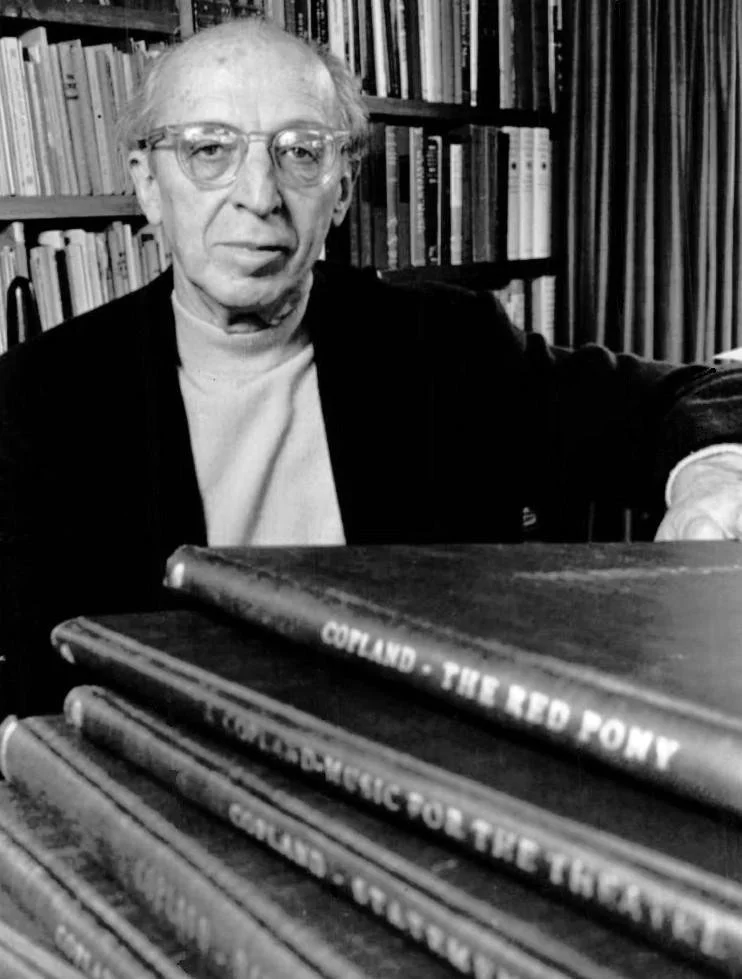
Few composers have captured the spirit of a nation as vividly as Aaron Copland. Born in Brooklyn in 1900 to Lithuanian Jewish immigrant parents, Copland rose to become the central figure in the history of 20th century American compositions. His works—ranging from ballet scores like Appalachian Spring to iconic concert pieces such as Fanfare for the Common Man—helped define a distinctly American sound.
Yet Copland’s achievement goes beyond his music. He was also a teacher, writer, conductor, and tireless advocate for American composers. At a time when European traditions dominated classical music, Copland helped shape a new musical identity rooted in American landscapes, folk traditions, and democratic ideals.
Here are a few things you might not know about the “Dean of American Music:”
He never attended college
Despite becoming one of America’s most influential composers, Copland never attended college. Instead, he fashioned his own musical education. In his early twenties, he studied theory and composition privately, took piano lessons, and immersed himself in New York’s musical life by attending as many concerts, operas, and ballets as possible. In 1921, he enrolled at the American Conservatory in Fontainebleau, France, studying conducting and composition. He continued his training in Paris with leading musicians, becoming one of the first American students of renowned composition teacher Nadia Boulanger. For the next three years, Copland traveled widely in Europe, while absorbing a range of musical traditions. For the composer, the combination of private studies, performance attendance, and extensive travel in Europe served as the equivalent of the college education he never received.
A lifelong New Yorker
Contrary to the popular image of Copland as the classical music voice of America's vast landscapes–an impression reinforced by his odes to wide-open prairies, dusty deserts, and frontier life–the composer was, at heart, a lifelong New Yorker. From his childhood in Brooklyn, through the years he built his career and organized concerts in and around New York City, Copland’s life was closely tied to the city. In 1960, he moved to Cortlandt Manor in Westchester County (about an hour north of New York City), where he lived until his death 30 years later, remaining firmly connected to the city’s cultural life.
Advocacy and mentorship
Copland was an impassioned champion of American music in every style. He founded concert series, supported young composers, and promoted contemporary music across the United States and beyond. As a mentor, Copland influenced some of the 20th century’s biggest names in music, most notably Leonard Bernstein, who regarded Copland as a father figure, mentor and lifelong friend. Bernstein would call Copland his “only real composition teacher”.
Cold War Scrutiny
During the height of McCarthyism, suspicions that Copland was a “communist sympathizer” led a Republican congressman to order the National Symphony Orchestra to remove his Lincoln Portrait from the program for President Dwight D. Eisenhower’s 1953 inauguration. Twenty‑six years later, Copland reclaimed the work by narrating it himself at a Memorial Day concert on the West Lawn of the U.S. Capitol, and again the following year at his 80th birthday celebration at the Kennedy Center, conducted by Leonard Bernstein.
A home that lives on
In 2008, the National Park Service designated Copland’s longtime home in Cortlandt Manor—known as Rock Hill—a National Historic Landmark, a rare distinction for a classical music figure. Copland wrote his memoirs and several major works at the secluded woodland house. Today, Copland House operates an active composer-in-residence program, serving as a creative center for American music.
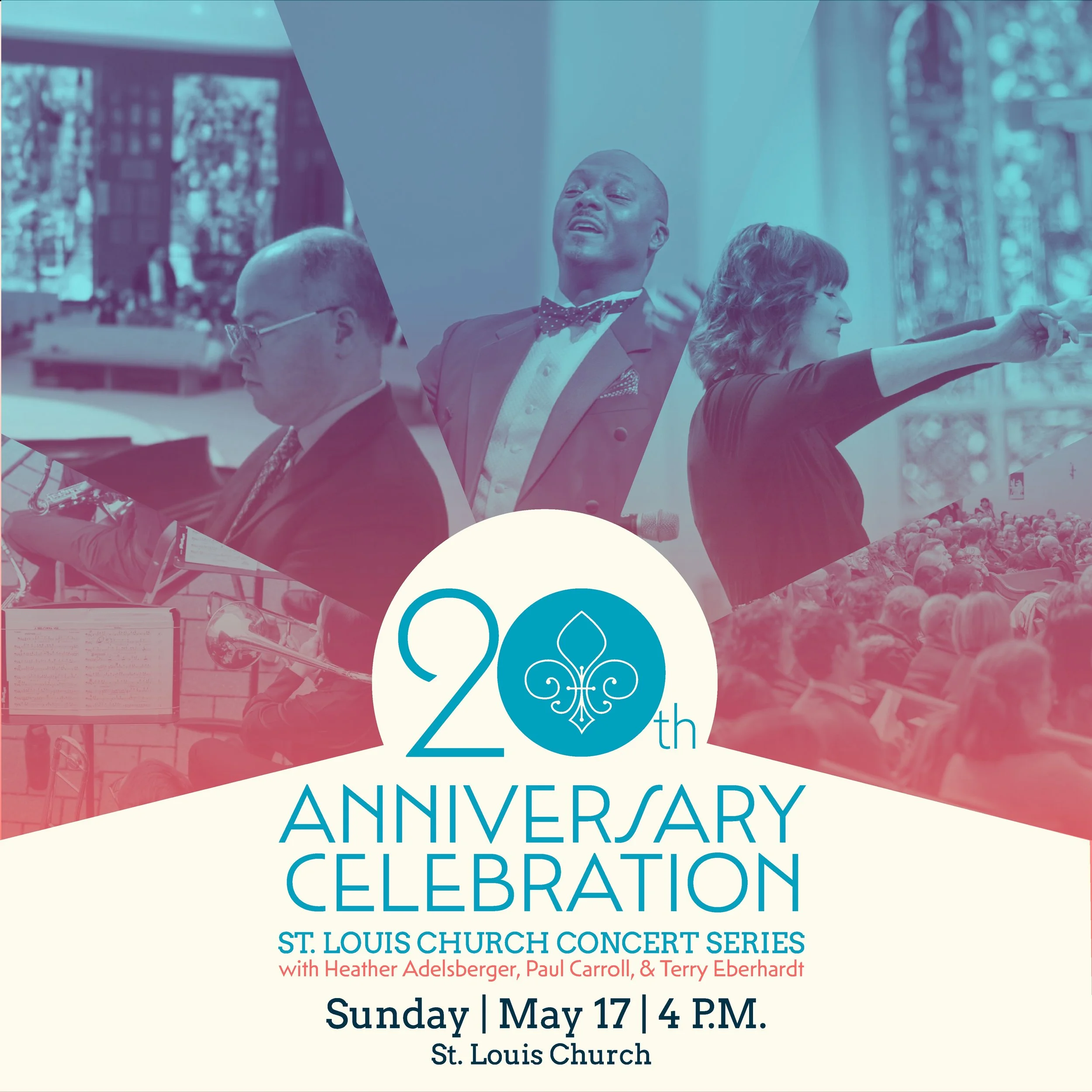
Join us for our 20th Anniversary Celebration Concert on May 17 at 4pm!