
Shakespeare's Sound World

Shakespeare’s plays are not musical theater in the modern sense, but they are alive with music. Songs, dances, fanfares, and offstage sounds shape mood, meaning, and dramatic action throughout his works. Scholars have counted nearly 2,000 musical references across the Bard’s plays and poems, and instruments such as horns, lutes, and fiddles could instantly establish a setting, announce an entrance, or heighten a scene.
For Shakespeare’s audiences, many of the tunes he named or quoted would have sounded familiar: they belonged to the everyday soundscape of popular songs, courtly dances, street ballads, and theater music circulating through print, performance, and memory.
Several works in our opening program for the 2026-27 season, Ancient Airs and Dances, evoke that world, offering listeners a taste of the music Shakespeare’s audiences might have heard on their way to, during, or after a performance.
“Heart’s Ease” / “Honiesuckle” — Romeo and Juliet
On the morning Juliet is supposed to marry Paris, three musicians arrive with him to wake the bride, only to find the Capulet household plunged into grief over her supposed death. The wedding morning has turned into a funeral morning.
After the family leaves to prepare for burial, the household servant Peter asks the musicians to play “Heart’s Ease,” a cheerful tune that he hopes will soothe his sorrow. The musicians refuse: after all, with the wedding called off, their prospects of being paid have disappeared as well. The exchange turns comic, with Peter even asking them to “play some merry dump to comfort me.” Peter’s choice of words shows his ignorance since a “dump” or “dompe” was typically a somber piece associated with melancholy or lament—the same word that survives faintly in the modern phrase “in the dumps.”
Exactly which “Heart’s Ease” Shakespeare had in mind is uncertain. A country dance by that name was later published in John Playford’s The English Dancing Master in 1651 and was certainly already circulating in oral tradition during Shakespeare’s lifetime. The music featured in the “Ancient Airs and Dances” program is Anthony Holborne’s “Honiesuckle,” published in 1599, which also appears under the title “Heart’s Ease” in a lute solo version. For this program, the piece has been arranged for trio.
“Robin is to the Greenwood gone” — Hamlet
“Robin is to the Greenwood gone” was a well-known Elizabethan ballad. Also known as “Bonny Sweet Robin,” the song appears in late 16th- and early 17th-century lute and cittern collections. Although the original words have been lost, scholars believe Ophelia may sing the tune’s final line—“For bonny sweet Robin is all my joy”—during her madness in Hamlet.
On its own, “Robin is to the Greenwood gone” may have sounded light and playful. In Hamlet, however, it takes on a darker meaning. By giving a familiar song to Ophelia at a moment of grief and distress, Shakespeare transforms something his audience may have recognized into a poignant expression of sorrow.
In “Ancient Airs and Dances,” the tune is performed as a bass viol solo in “Lyra” viol style—a form of solo, chordal viol playing that was immensely popular in Shakespeare’s England.
“Lady Carey’s Dompe” — A Tudor Lament
Lady Carey’s Dompe, a Tudor court piece from the early 16th century, is among the oldest surviving works of English keyboard music. Composed anonymously around the 1520s, it has long been associated with Mary Boleyn, whose husband, Sir William Carey—a courtier and favorite of Henry VIII—died in 1528. Mary, the elder sister of Henry VIII’s second wife, Anne Boleyn, was also one of the king’s mistresses. The “Lady Carey” of the title, however, may have been William Carey’s mother, one of his sisters, or his sister-in-law rather than Mary Boleyn.
The music is built on a repeating bass pattern that gives the lament its weight, drawing listeners into a slow, ceremonial mood of sorrow.
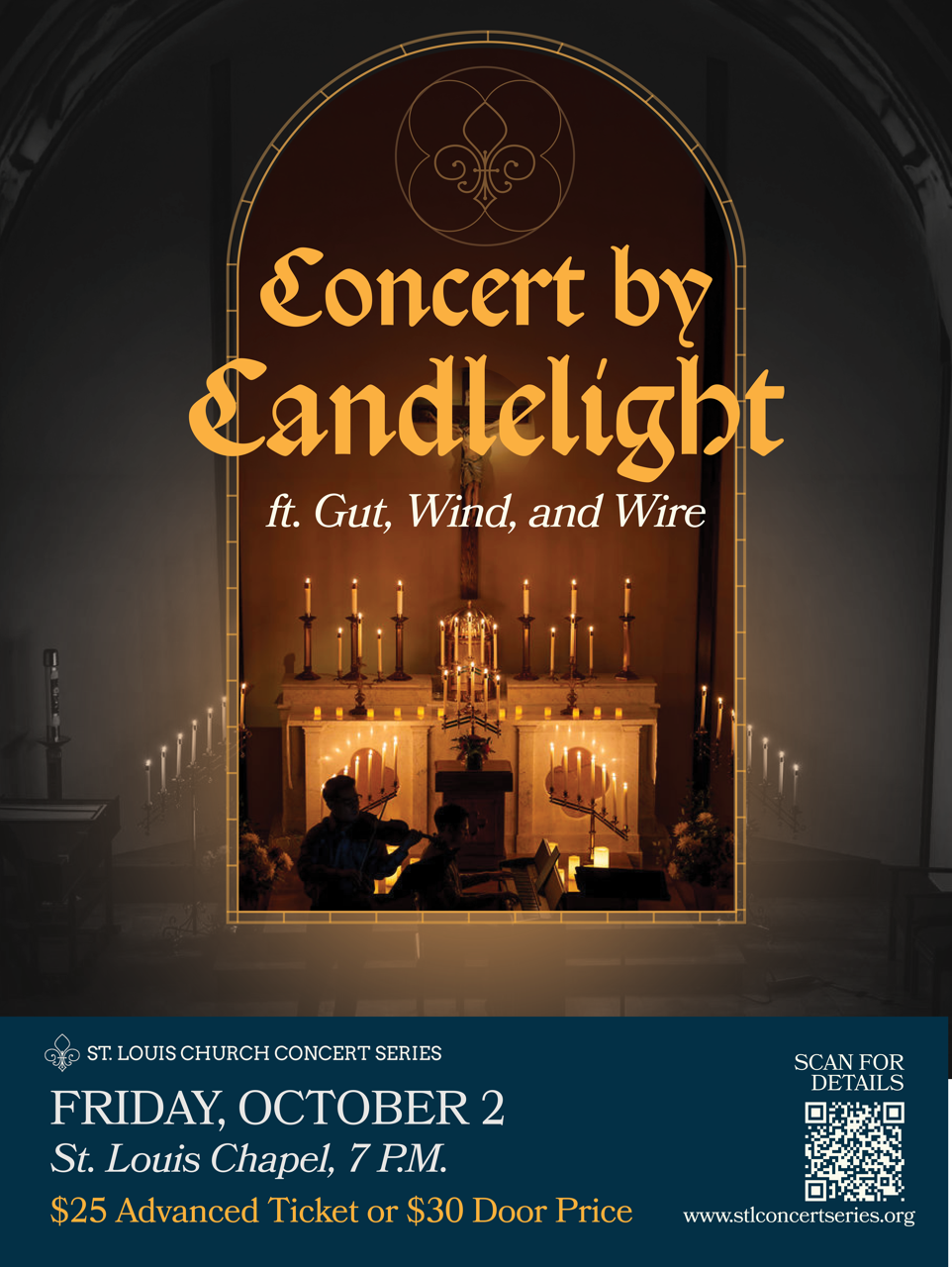
Join us for Concert by Candlelight featuring Gut, Wind, and Wire on October 2 at 7pm.